Prof Brown has been a game designer for over 18 years, working in both AAA and indie spaces. Their particular passions are gameplay design, 3Cs, social gameplay, and game accessibility.
Concord
Firewalk Studios · Principal Gameplay Designer
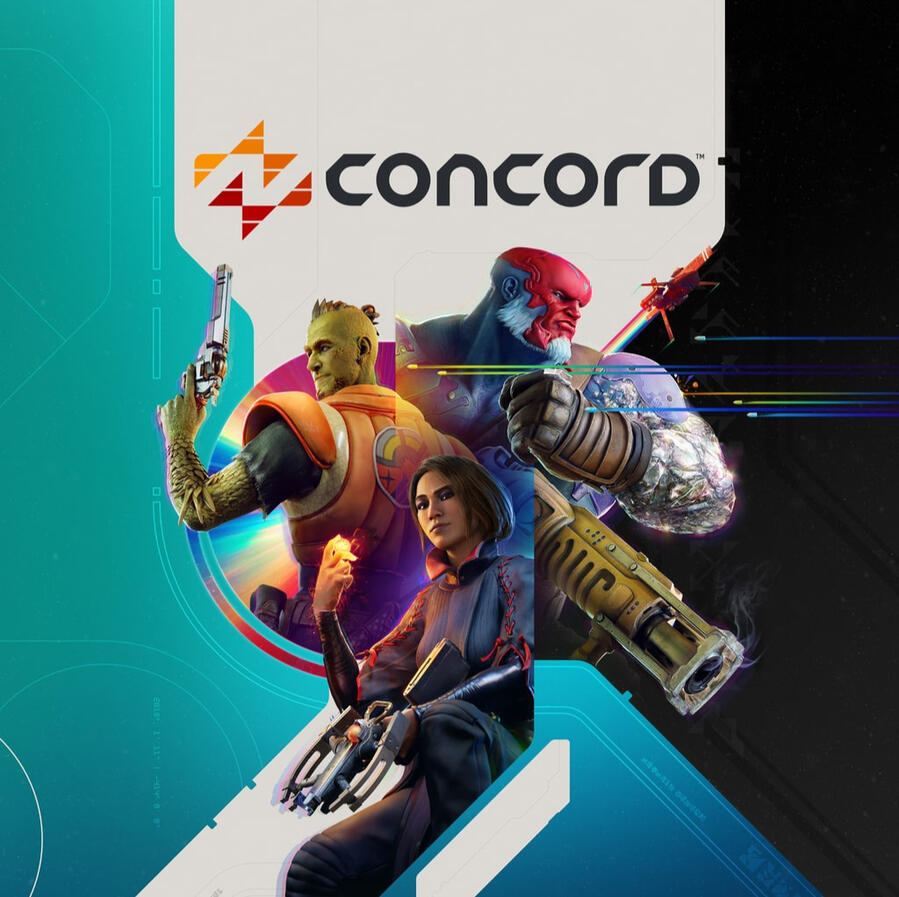
As Principal Gameplay Designer, I collaborated across disciplines on several character teams and systems features, designing and implementing character kits, weapons, and combat abilities in Unreal 5. I also drove the game's Accessibility initiative and mentored several junior designers throughout production
**Design Deep Dives **
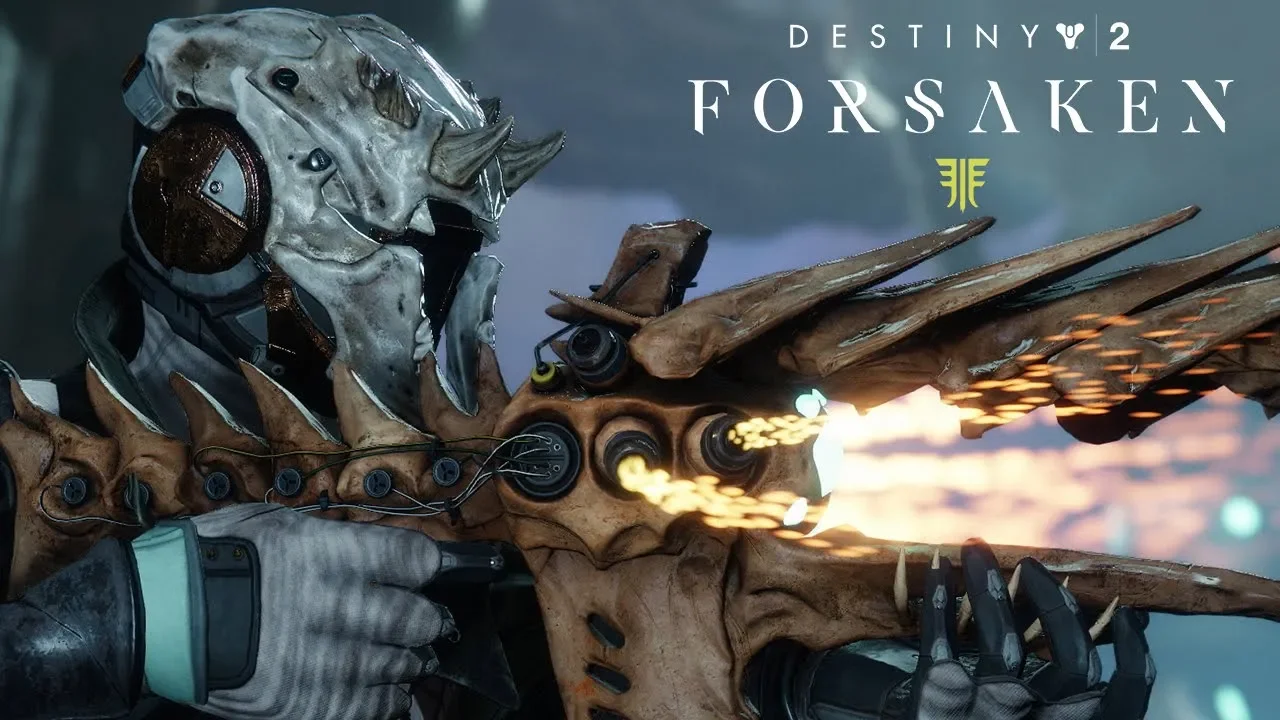
Destiny 2
Bungie · Sandbox Designer
As a sandbox designer on Destiny 2 from Launch to the Beyond Light expansion, I created exotics (both as Armor Feature Lead and Weapons Feature Lead), character abilities, and build perks while working closely with the rest of the sandbox team.
Design Deep Dives (Coming Soon)
Hyper Light Drifter
Heart Machine · Level Designer
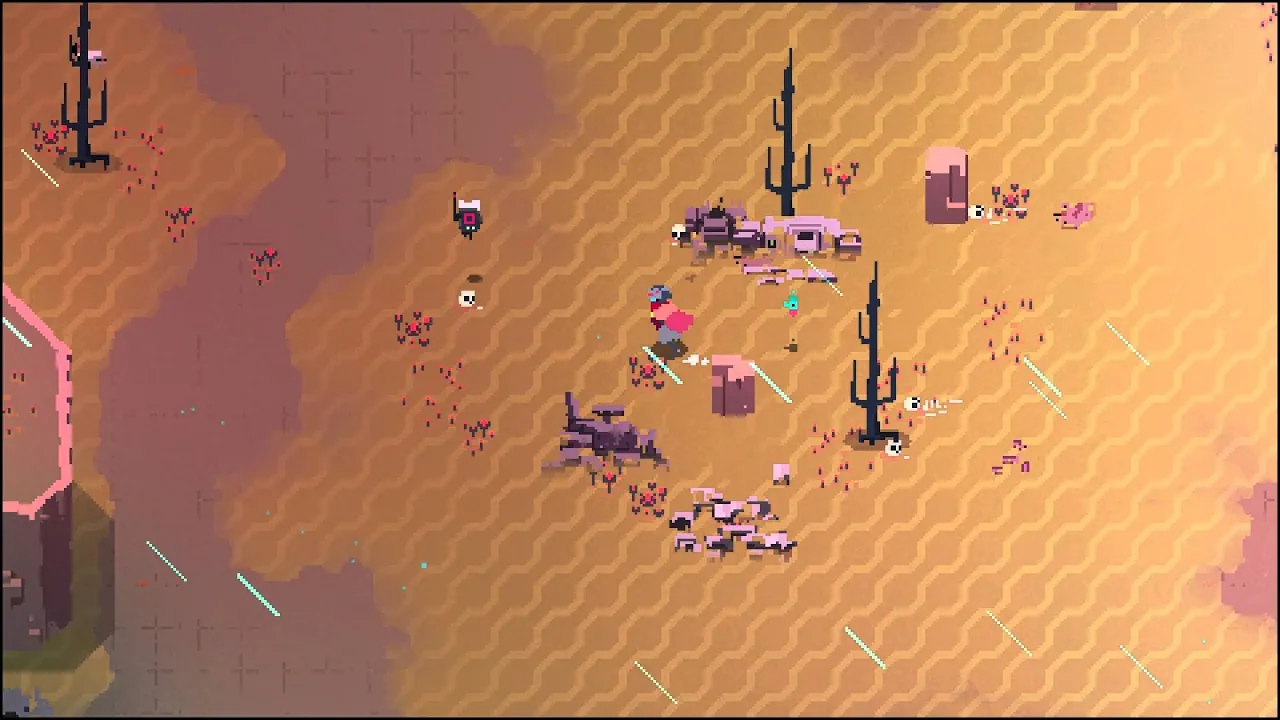
I was responsible for level design in this 2D indie Action RPG for dungeons in the north and east, plus combat scripting in various zones throughout the game.
Design Deep Dives (Coming Soon)
Sunset Overdrive
Insomniac Games · Designer
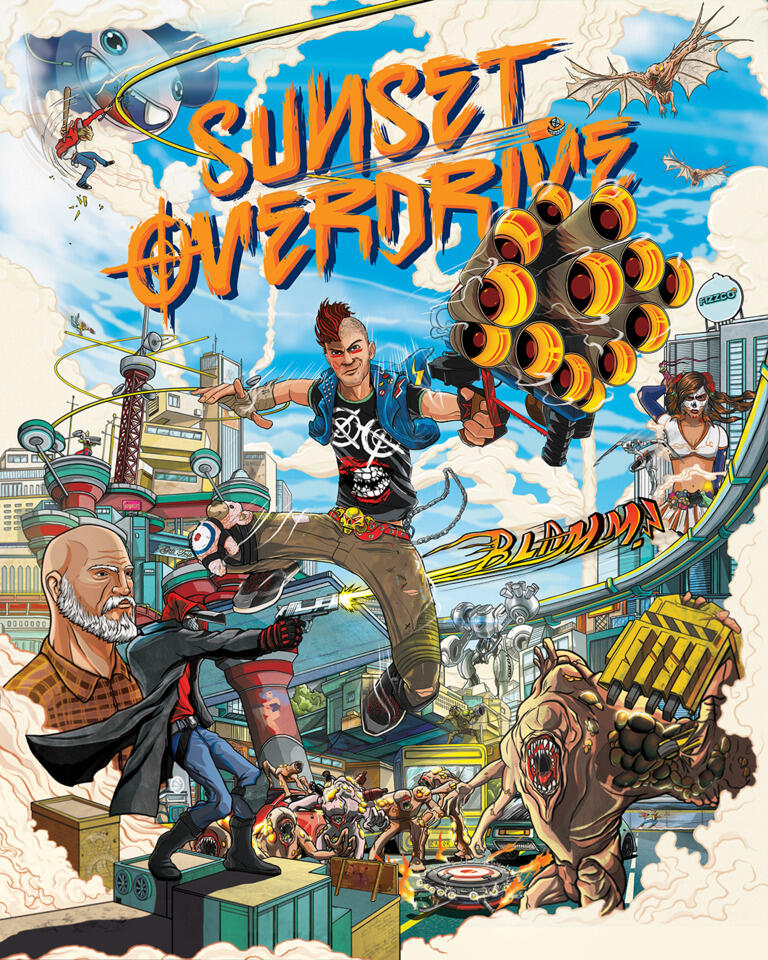
I prototyped core mechanics and designed levels to integrate traversal mechanics and combat during pre-production for this movement-heavy open world third person shooter. During production, I experimented with early cooperative experiences in the game's "Chaos Mode."
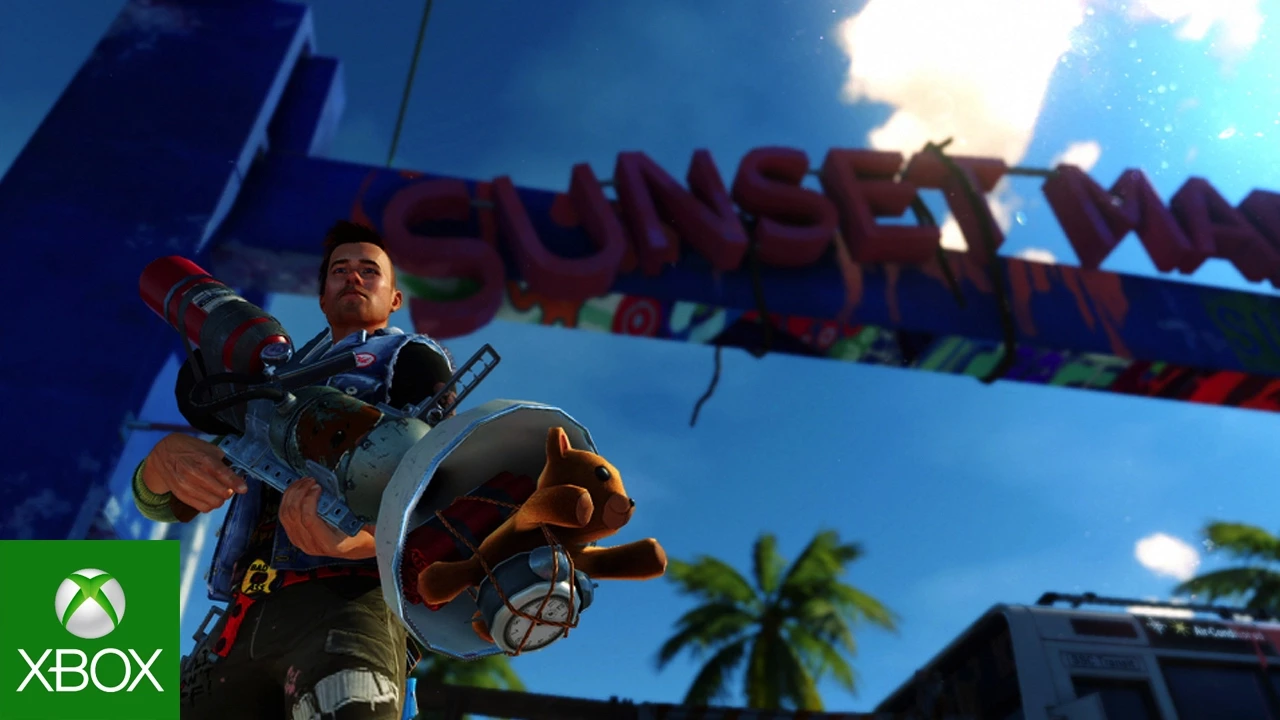
Design Deep Dives (Coming Soon)
Resistance 3
Insomniac Games · Designer
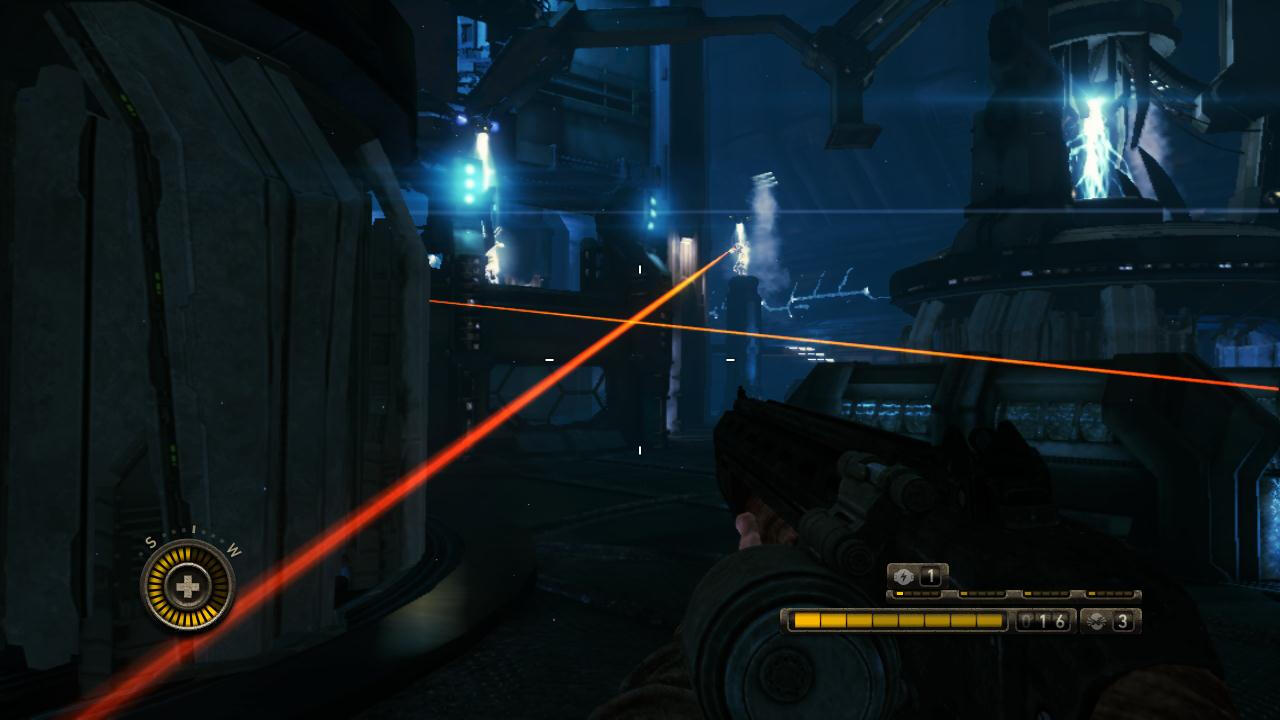
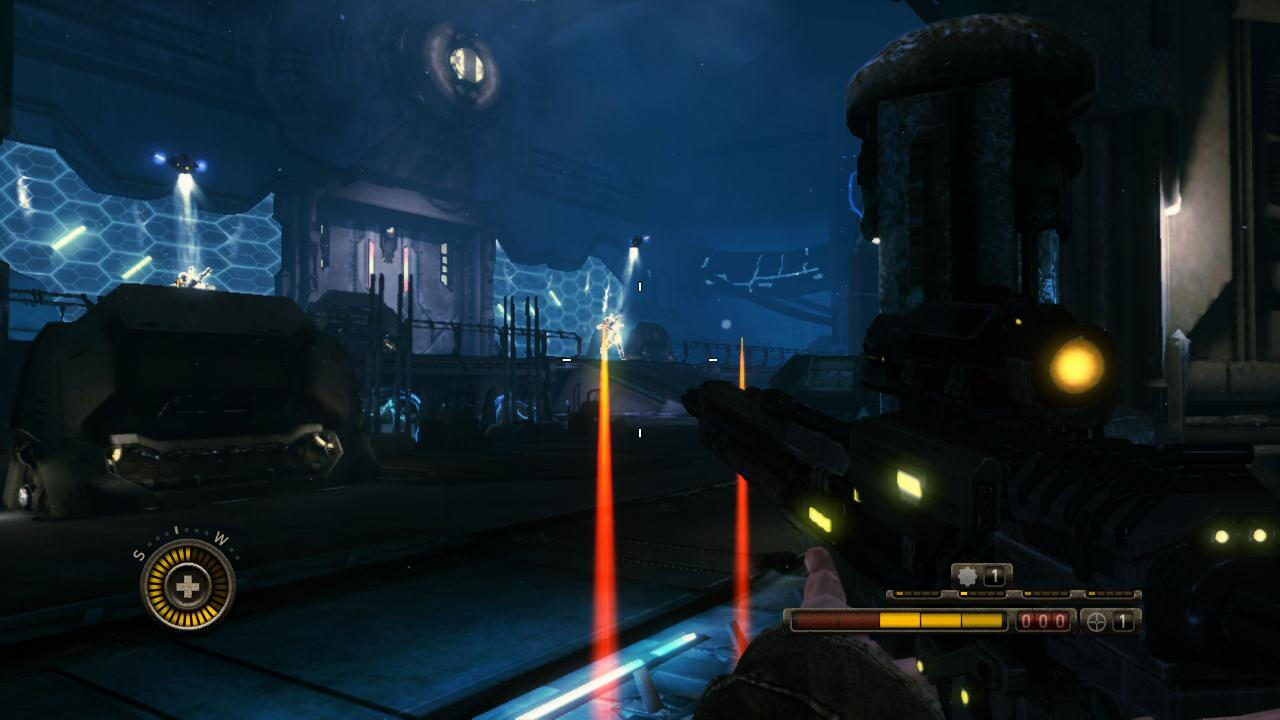
Designed atmospheric traversal levels for boat and train segments, implemented combat, and contributed to co-op mechanics using Lua scripting and proprietary tools.
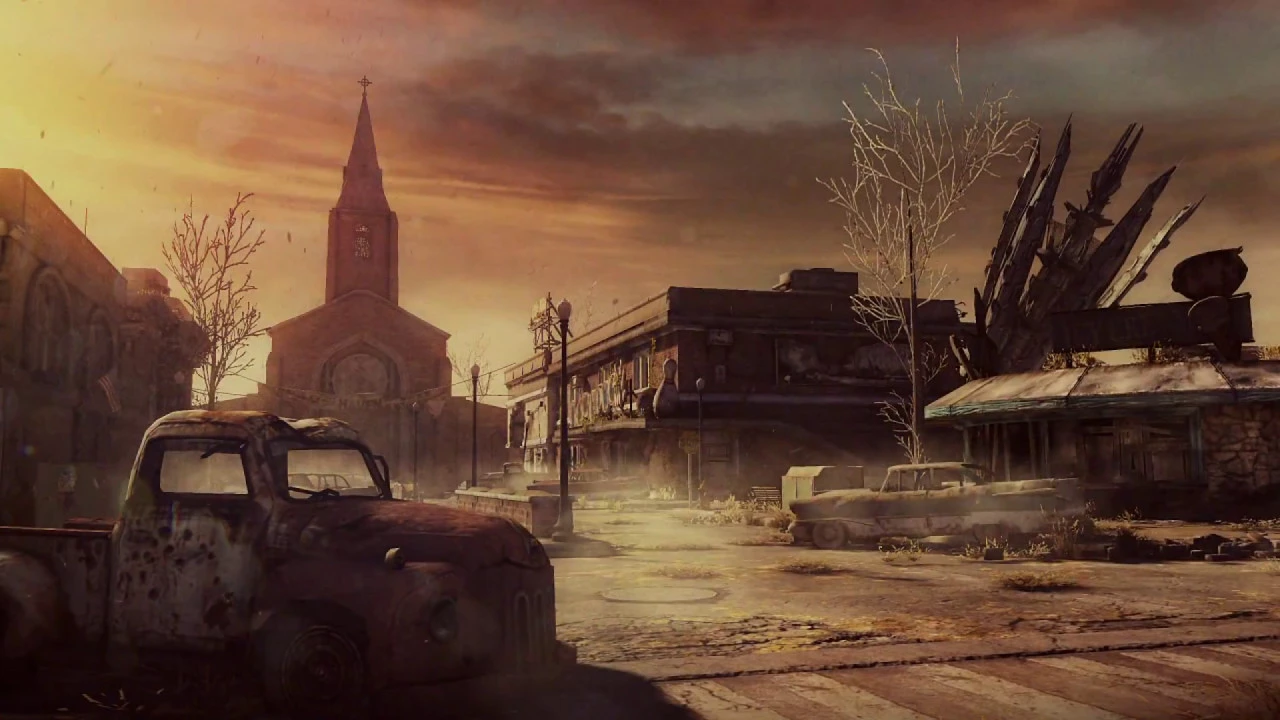
Design Deep Dives (Coming Soon)
1-0FF
A Character of Edge Cases -- An Exercise In Collaboration
On Concord, one of the character kits I designed and led was 1-0FF, a big janitor robot whose gun was an industrial vacuum cleaner/sandblaster combo. He was an extremely unusual character for a shooter, true to his namesake, and came with a number of challenges to overcome that took a ton of close collaboration to solve.
The Problem
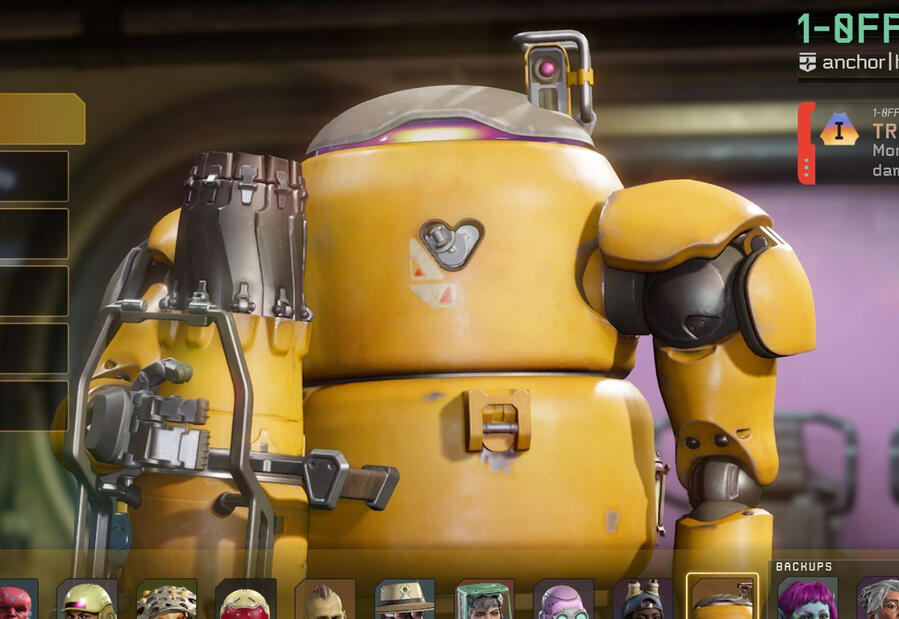
One big problem was his vacuum. Instead of shooting projectiles, it spawned a large cone attached to the gun that detected objects, hazards like fire pools, and incoming projectiles. The problem was that the attachment point aligned to 3rd person space, and the first person gun exists in a different space. This meant that a person playing as 1-0FF would see the cone offset.
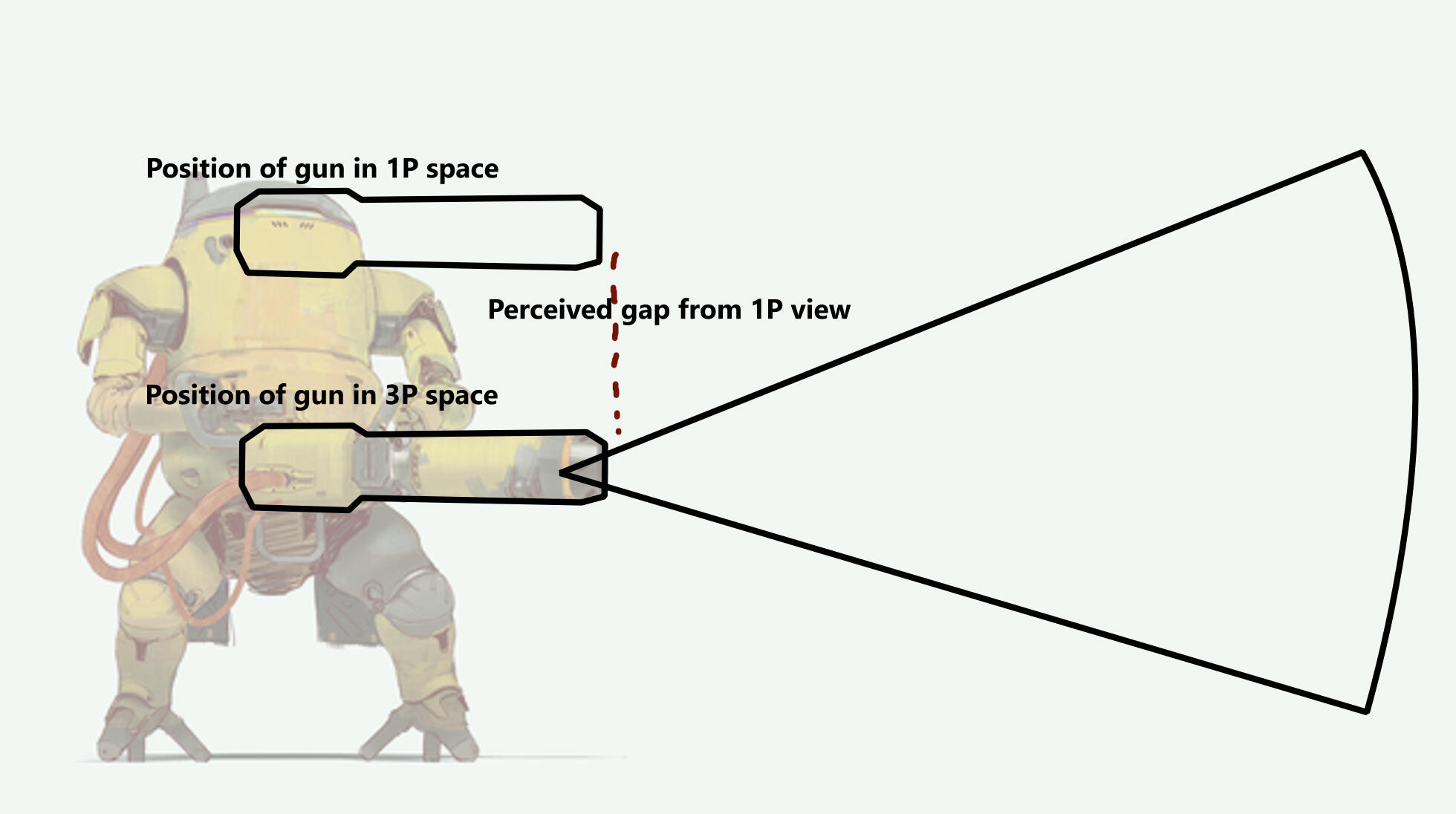

Screenshot from an early prototype. The origin of the cone is set to the position of the 3P gun. This looks correct to other players, but for the 1-0FF player, it looks like the cone is originating from much lower on the screen.

Concept, design, animation, and vfx had different constraints to work with. After a few chats and realizing we were all going to have to move in lockstep together,I gathered everyone's constraints together and pulled us all in so we could figure it out.
For design, it was critical that both the 1P player and all other players understood the bounds of the cone for gameplay purposes, and that the 1P player had a sense of how deep the cone cut off (this is a classic struggle in first person shooters when it comes to beam weapons with limited range). We also needed to be super clear about when an object was successfully sucked up.
For vfx, they had the technical constraint of overcoming any sort of visual mismatch between where the vacuum effect was attaching in 1P while still matching the actual in-world position of the cone. Plus, making the bounds and depth of the cone clear to understand with a windy/vacuum effect was a challenge. Doing an effect every time the vacuum sucked up an object was also a worry, as they were concerned about too much noise on the screen.
For concept and animation, the original design of the gun was low-slung, like a chaingun, which exacerbated the difference between the 1P and 3P gun muzzle locations, but they still wanted that sense of a big heavy weapon with the low-slung grip.
Alignment
We got aligned on the design vision of the experience and came up with potential solutions to try, some of which I quickly prototyped to prove or disprove their viability. Plus, we identified places that weren't as important to each discipline's goals, which we were able to exploit to solve the problems.
Concept and animation were able to lift the gun higher and still maintain the grip they wanted (made easier by the fact that the character is a robot and had some give as far as what was a believable grip).
Thanks to the assistance of an excellent alignment tool created by our gameplay engineer, VFX was able to get effect aligned in 1P and 3P. However, the actual point where it attached to the muzzle was still not accurate between the two modes. Since it would be rare that a player would be sucking up something that close to the camera, we decided on design that the mismatch at the attach end of the cone was okay and vfx made the edges of that part "fuzzier" to imply less precision.

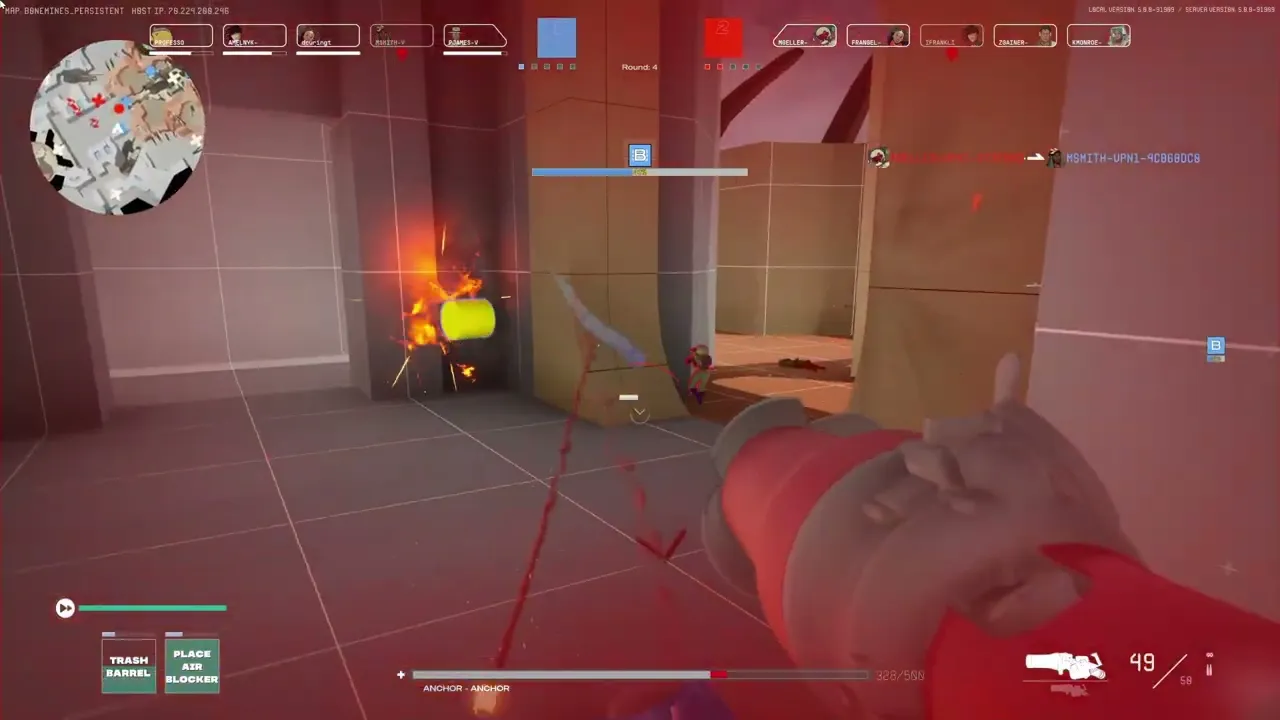
In the final version, the circled area is not entirely accurate -- if you were to go right up to this spot and shoot into it, the bullets would technically not hit the cone. However, that use case is extremely rare and difficult to see, so it was a trade-o

For the effects that happened when 1-0FF sucked something up, we reframed what was happening – that the vacuum was destroying whatever it touched and then sucked up the debris, and had louder localized explosions at the point of intersection of the cone with more generic dust effects moving into the gun itself. I also designed a vfx limiting system for cases where the vacuum was sucking up a fast series of projectiles so that we weren't playing an explosion every frame. This, plus the support of directional audio and haptics successfully conveyed the function of the gun without being overly noisy.
Results
1-0FF's entire kit -- his abilities, passive, and other weapon mode -- were full of tricky edge case situations like this that involved the whole team working together to figure out solutions. We were all very happy with the end result. Here's a clip of the big guy in action. In the early blockout clip you can see the issue with the misalignment of the vacuum cone, and how it changed in the later versions
Kyps
A Study in Gameplay Variants
Define the Problem Space
Process and Solution
Accessibility
and Gameplay
I was in charge of the accessibility initiative for the whole project, and one gameplay-specific system I worked on closely w ith engineers was the input remapping system. When I started at Firewalk, I had come fresh off shipping the controller remapping update on Destiny 2 at Bungie, so I was determined to get this particular system set up early on Concord. I worked with a gameplay engineer, ui engineer, and tech designer on the system over the course of the project.The first thing I did was lead with lessons learned on Destiny, which has a similar challenge of being a competitive action shooter with abilities and traversal moves and a completely overloaded button scheme. The big factor here was letting players not just remap the button for a particular verb, but the input action associated with it (hold vs toggle, press vs double tap, etc). On the recommendation of the engineers, we decided to split input types into two categories: stateful (an input that has both a beginning and end, like holds) and non-stateful (for instant inputs) which was an improvement on the back end from the Destiny system. We worked together to figure out the best way to organize this on the tools side so designers could easily make new input bindings that hooked into the system. Our UI engineer set up a fast debug method for remapping so we could test early and often and get early feedback from accessibility consultants. Early on, we played with additional action types, like on release vs on press-and-release, since those were technically being used in some of our more complex bindings, but these proved to be cognitively overbearing for players, so we had to come up with different ways to handle these edge case on the player-facing side without compromising the game feel benefits on the gameplay side.My technical understanding of the state system and flow of logic in the input system came into play in a big way when educating other designers on how to consider remappable input when designing abilities, etc. From this, the tech designer built a base ability class for stateful abilities that handled detecting input starts, ends, failures, completions, etc, and on the engineering end made sure that this worked seamlessly whether the player mapped a stateful action to a toggle or a hold, so that designers could build stateful abilities without having to do any special case implementation. I did, however, have to drive a paradigm shift on the gameplay design team: often someone would come up with an idea for "if you press this button you do x, but if you hold it you do y." I had to remind them that every hold in our game could be a toggle, and a toggle and press action on the same button for the same action could break things. Fortunately, the whole team was committed to making an accessible game, so we were all willing to adjust our design goals.In the end, the remapping system was robust without being overwhelming, and the whole team was happy with the result.
One Eyed Mask
A Collaborative Exercise
Define the Problem Space
Process and Solution
Dawn Blade
Subtitle Goes Here
Salvation's Grip
Creating New Gameplay Positibilities
Define the Problem Space
Process and Solution
Adding Controller remapping
to an Active Live Game
Define the Problem Space
Process and Solution
Transition from 3D to 2D Level Design
Hyper Light Drifter
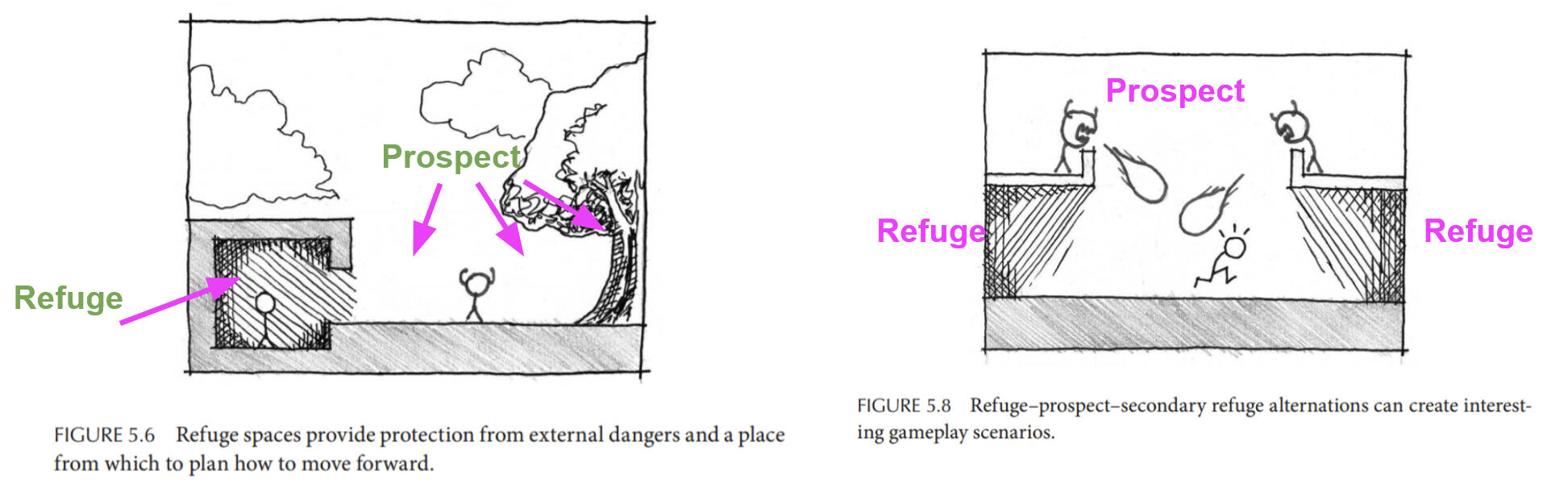
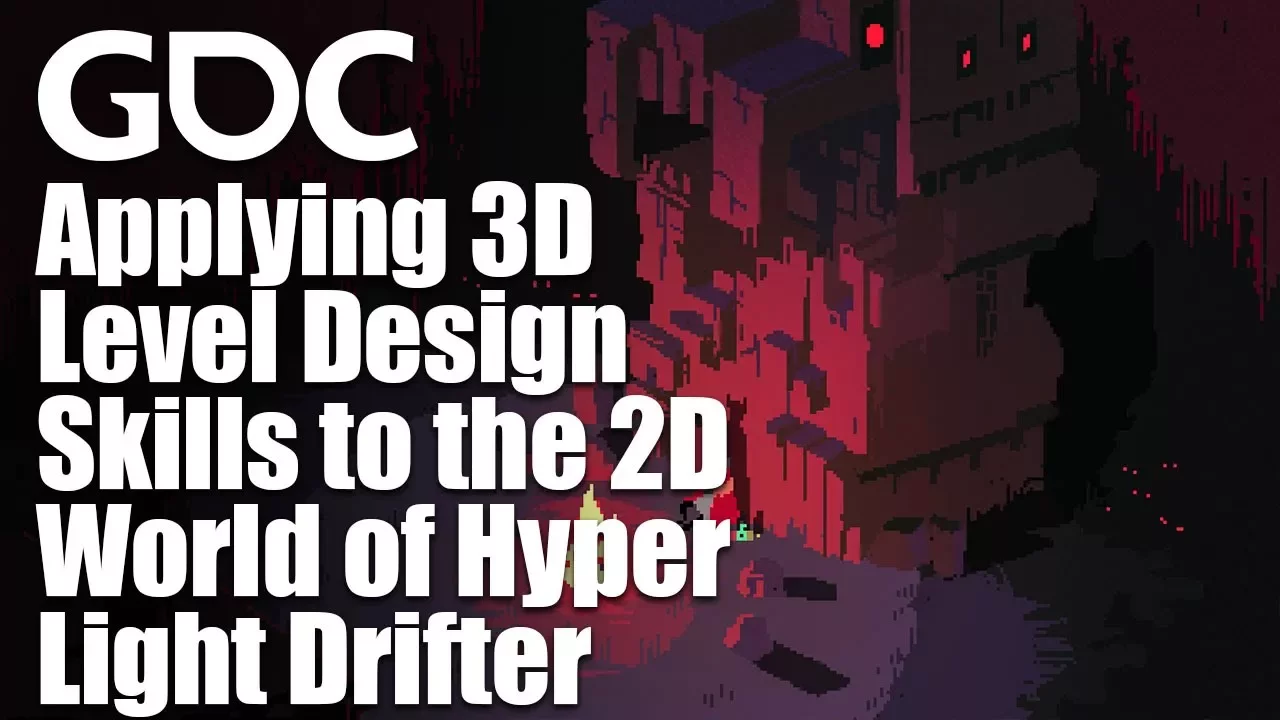
When I came on as a level designer for the 2D Action RPG Hyper Light Drifter, my level design skills came entirely from work on 3D games. This is a summary of learnings from my GDC 2017 talk "Applying 3D Level Design Skills to the 2D World of Hyper Light Drifter," which is linked at the end (under my former name).
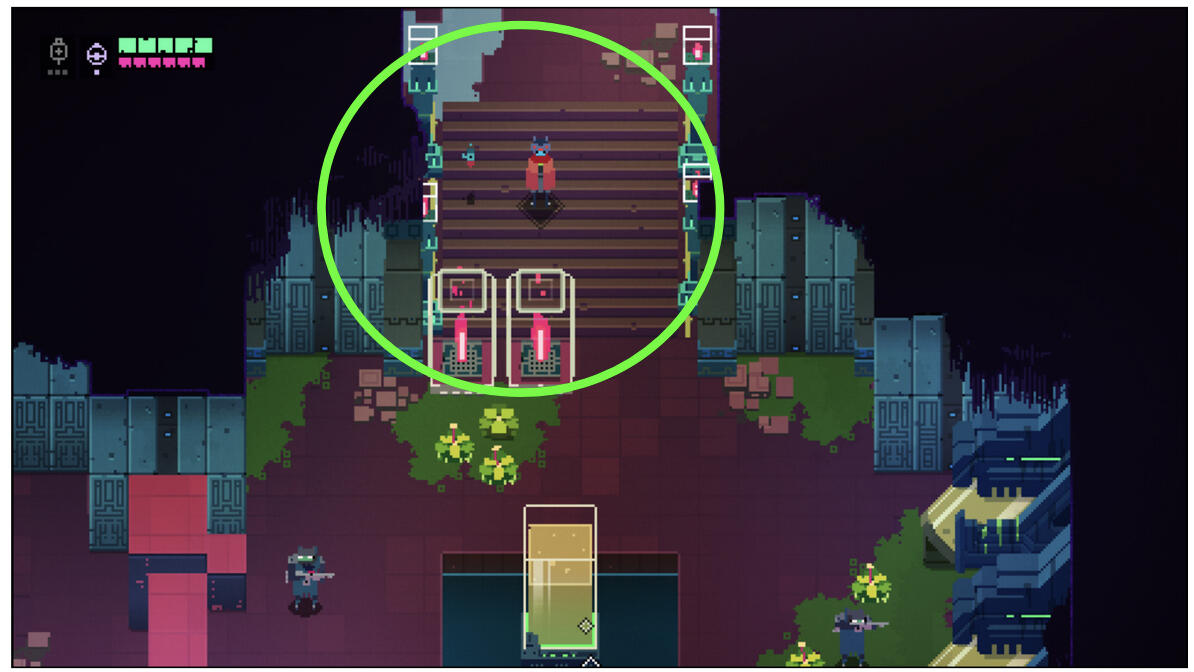
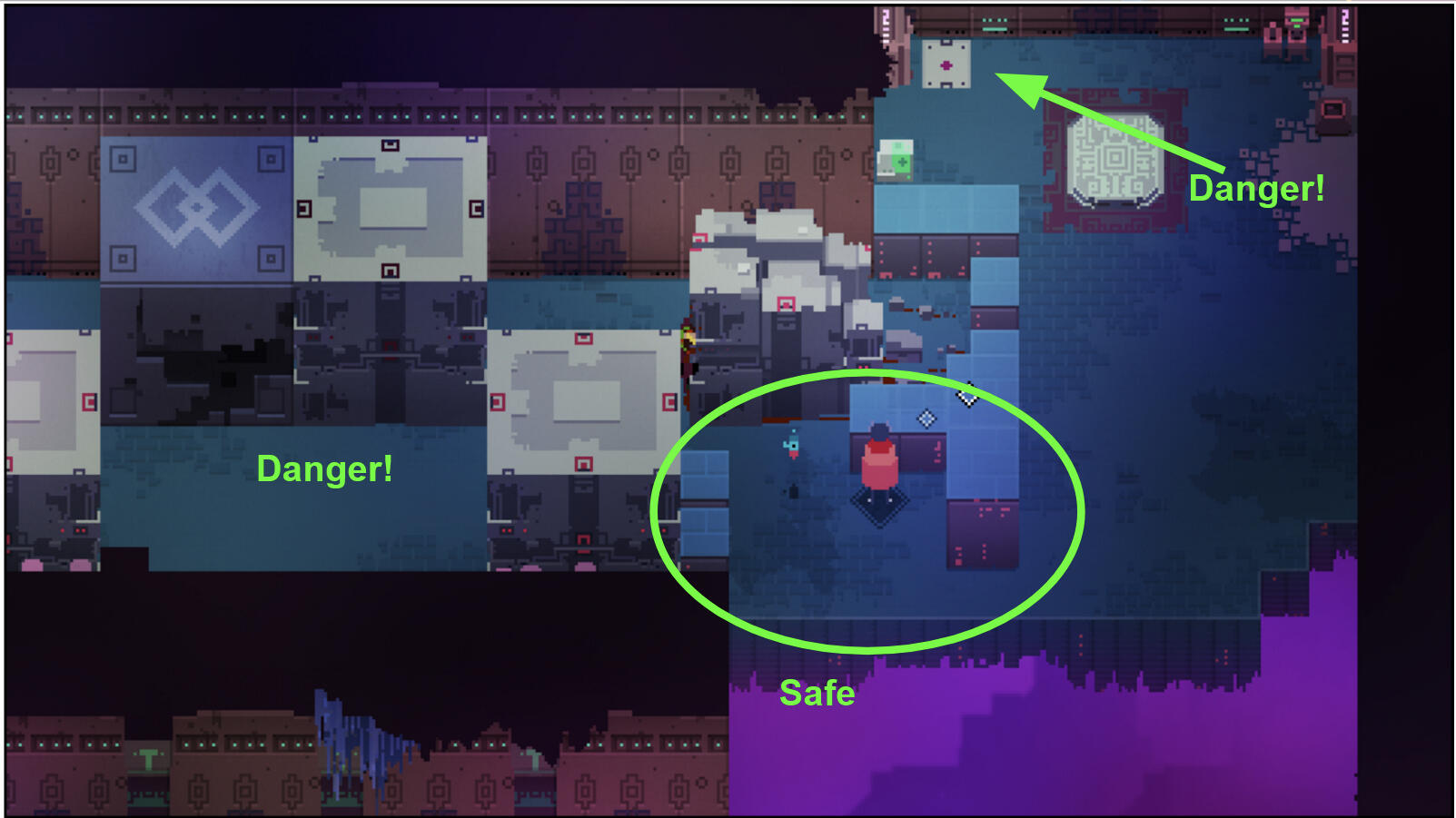
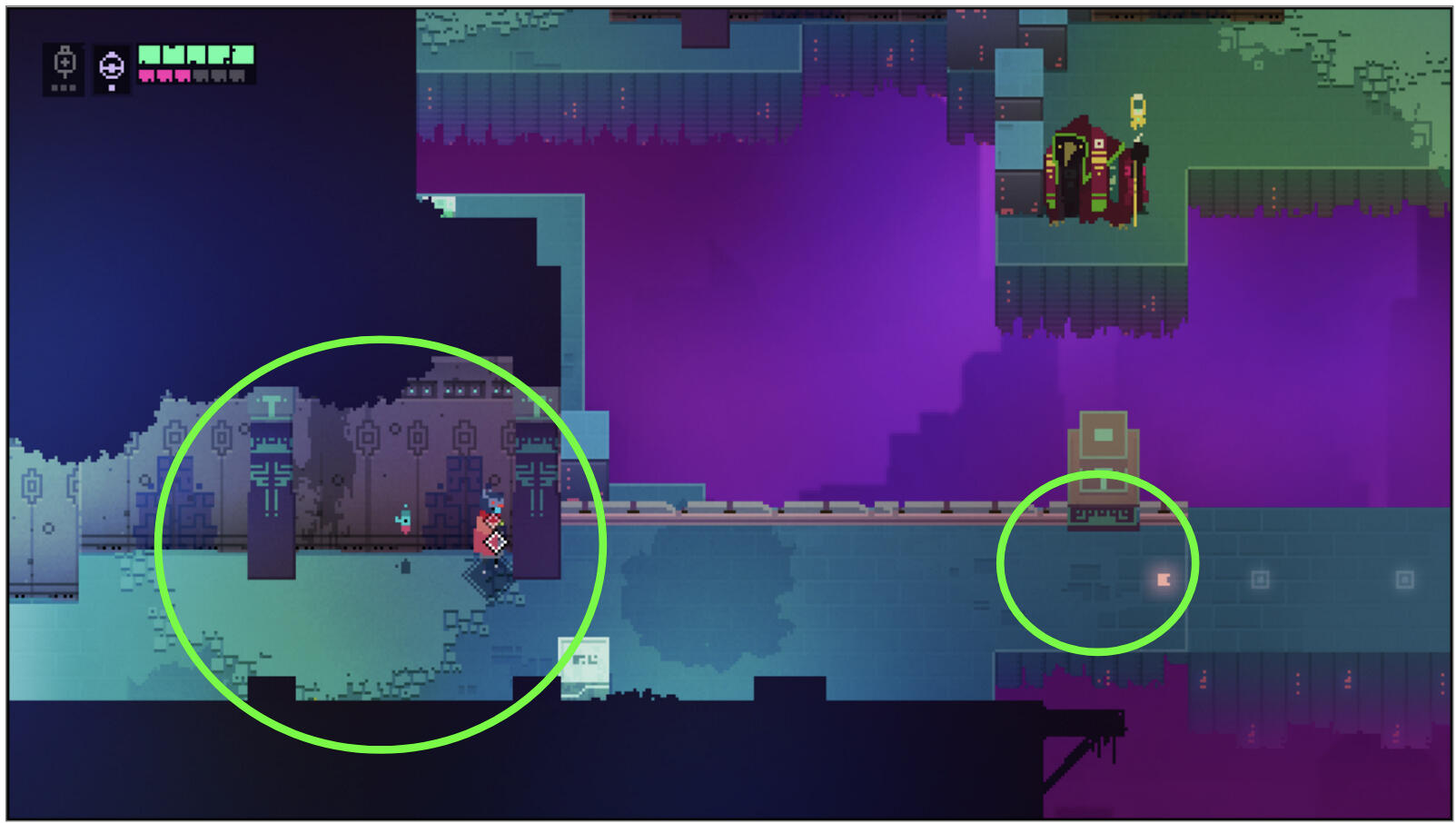
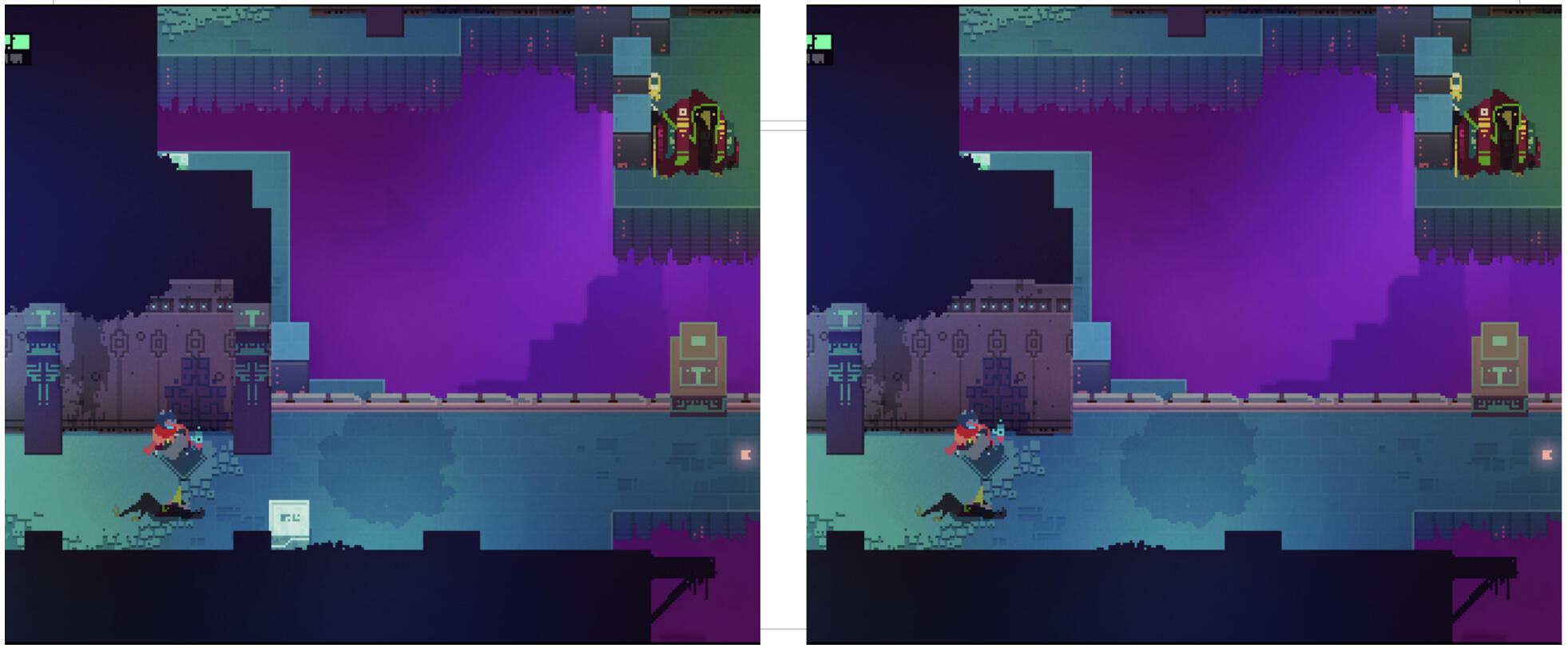
Process and Solution
Traversal and combat
Sunset Overdrive
Define the Problem Space
Process and Solution
Boat Level
an Exercise in Pacing
Define the Problem Space
Process and Solution
Other Experience
and Key Takeaways
Define the Problem Space
Process and Solution
Human ReadAble Resume
Principal game designer
Game designer specializing in action gameplay systems, game feel systems, design mentorship, and accessibility. Owns major aspects of design and production, seeing core design implementation through and collaborating with other disciplines. Committed to continuous professional development and mentorship in the craft of game design.
Gameplay Design | Player Systems | Competitive Multiplayer | Combat Design
Input Systems | Game Feel/3Cs | Accessibility | Mentorship
Experience
EA Tiburon 2025 - current
Principal World Designer, Unannounced Project
Interfaced between several different design teams to implement gameplay, level design, and mission/activity design in an unannounced project.
Firewalk Studios 2020-2024
Principal Gameplay Designer, Concord – Multiplayer Arena Shooter
Led several character teams and systems features, working closely with engineering, hard surface and character art, animation, tech art, audio, production, and QA to bring characters and systems to production quality.
Designed and implemented character kits, weapons, and combat abilities from prototype to launch using Unreal Engine 5 blueprints and proprietary Gameplay Ability System extension.
Drove the game’s Accessibility initiative, coordinated with Sony's accessibility group to ensure inclusive feature integration across multiple disciplines. Features included input remapping, sensitivity tuning, custom color settings, robust haptics options, and others.
Authored advanced haptics for the PlayStation DualSense controller using Vibration Designer and WWise
Wrote comprehensive design documentation for gameplay systems and designed onboarding experience for new gameplay team members.
Mentored junior designers and organized ongoing design education sessions and workshops.
Bungie 2017 – 2020
Staff Designer, Destiny 2 – Online First Person Shooter
Drove the design and implementation of gameplay content as Armor Feature Lead and Weapons Feature Lead, collaborating closely with other gameplay designers, engineers, artists, animators, audio designers, test and production to bring gameplay features from pitch to ship.
Designed and implemented character abilities, build perks, exotic armor and weapons from Destiny 2 launch through Beyond Light expansion.
Worked closely with the activities team to create activity-specific armor and activity perk system for Gambit Prime.
Led controller remapping feature, collaborating with engineers, UX designers, and accessibility consultants to add robust input remapping to the game.
Scripted automation and validation tools to help weapons testers and designers with content setup.
Authored robust documentation for armor and weapons gameplay systems.
Independent Consultant 2015 – 2017
Game Designer
Worked in multiple game design roles with different companies and personal projects during time as an indie developer.
Designed and built levels for Hyper Light Drifter, at 2D action RPG, contributing to systems design for in-game economy using a custom GameMaker engine extension.
Advised mini-game design, onboarding UX, and other game design details for a VR camping simulation (Daydream Blue), focusing on economy and crafting systems as well as usability improvements.
Streamed game creation content and wrote game design articles with the goal of educating viewers on the behind-the-scenes processes in game development.
Insomniac Games 2008 – 2015
Designer
Designed levels, combat experiences, prototypes, and an experimental small team project over several games with teams of varying sizes (from 5 to 100+).
Resistance 3: Designed atmospheric traversal levels for boat and train segments, implemented combat, and contributed to co-op mechanics using Lua scripting and proprietary tools.
Sunset Overdrive: Prototyped core mechanics and designed levels to integrate traversal mechanics and combat during pre-production for this movement-heavy open world third person shooter.
Slow Down, Bull: Conceptualized and led a small action PC game, guiding a 5-person team from pre-production through launch; hosted live development streams and composed regular devlogs to analyze the small-team process for sharing with the whole company.
ADDITIONAL RELEVANT EXPERIENCE
Internships: Designed levels and quests in Pixie Hollow (Schell Games) and Resistance 2 (Insomniac).
EDUCATION
Bachelor of Science in Art and Computer Science Centre College;
Master of Entertainment Technology, Carnegie Mellon
Tools: Unreal 5 and 4, GAS, Unity, Godot, Bungie proprietary engine, C# scripting, Python scripting, Excel (scripting and pivot tables), Vibration Designer for DualSense controller haptics